
On this page
- Can You Really Get Money for a Used Laptop?
- What Is the Easiest Way to Sell a Used Laptop?
- Easy Doesn't Mean Free Money
- How Much Money Is My Used Laptop Worth?
- Which Laptop Specifications Affect Value Most?
- Processor
- Graphics
- Memory
- Storage
- Display
- Condition Matters When Selling a Used Laptop
- Four Ways to Get Money for a Used Laptop
- 1. Sell the Laptop Yourself Online
- 2. Sell the Laptop Locally
- 3. Use a Manufacturer or Retail Trade-In
- 4. Use an Online Laptop Buyback
- Marketplace vs. Laptop Buyback: What's the Difference?
- Trade-In vs. Cash for a Used Laptop
- Can You Sell an Older Laptop for Money?
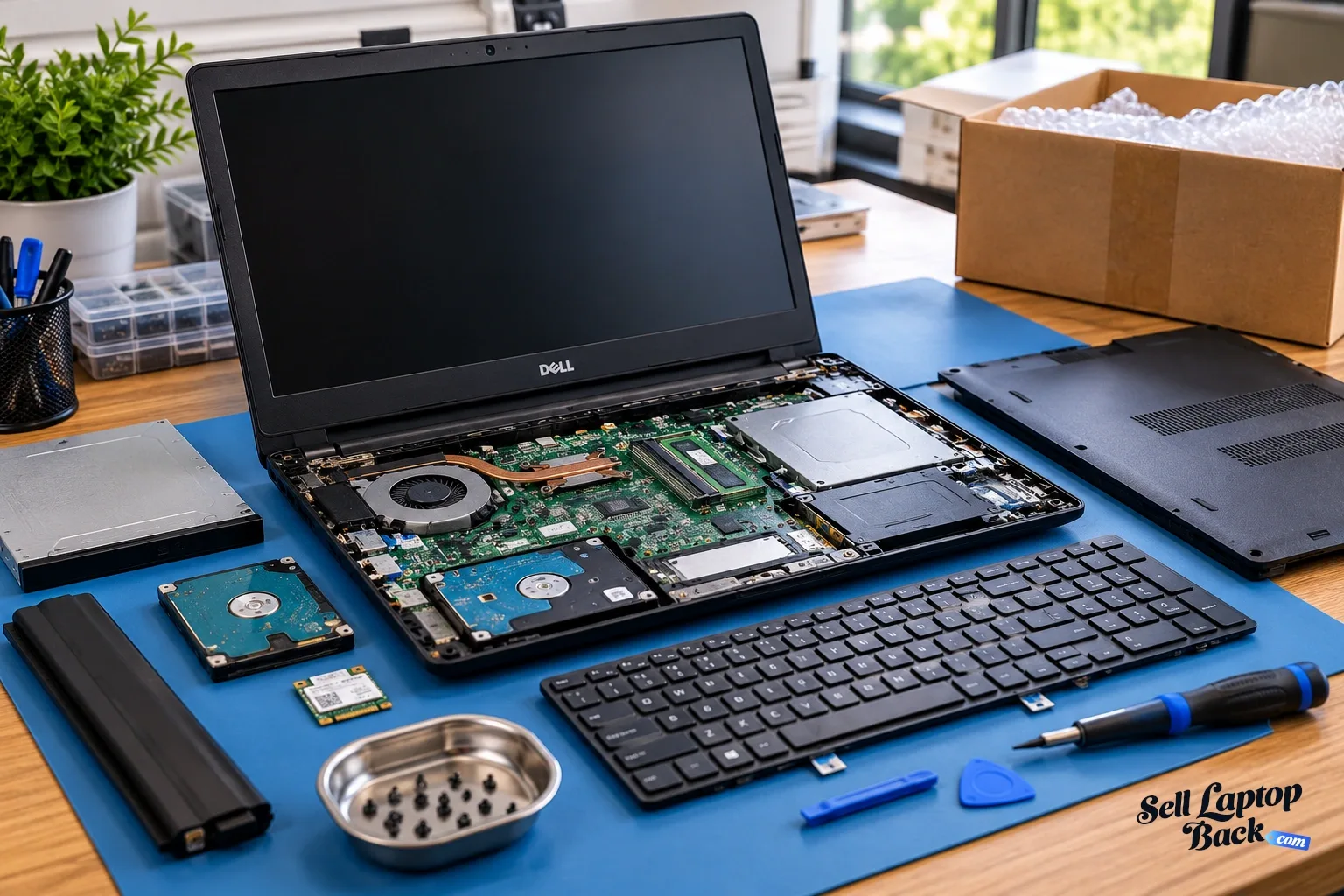
- Can You Sell a Broken Used Laptop?
- Which Used Laptop Brands Hold Value?
- Should You Upgrade a Laptop Before Selling It?
- Should You Replace a Bad Battery Before Selling?
- Do You Need the Laptop Charger?
- How to Identify Your Used Laptop
- Prepare Your Laptop Before Selling It
- Pack the Laptop Properly
- What If the Laptop Has No Cash Value?
- Selling a Used Laptop Can Extend Its Useful Life
- Don't Let a Usable Laptop Lose Value in a Closet
- How to Get Money for Your Used Laptop
- Frequently Asked Questions
- Final Thoughts
Updated: November 11, 2026 | By: SellLaptopBack.com | Read time: 13 min read
Can you really turn a used laptop into money without spending days creating listings, answering messages and negotiating with strangers? Yes — but the easiest way to sell a laptop is not necessarily the option that produces the highest possible selling price.
That's the tradeoff to understand.
You can sell a used laptop yourself, trade it in, sell it locally or use an online laptop buyback service. Each approach exchanges some combination of time, convenience, risk and potential value.
If you already know the laptop you want to sell, you can find your model and check its current options. Otherwise, let's compare the different ways to get money for a used laptop and determine which approach makes sense for you.
Can You Really Get Money for a Used Laptop?
Yes. A laptop doesn't stop having value simply because someone has used it.
There is an active secondary market for computers that can continue serving another owner, be refurbished, repaired or provide useful replacement components.
How much money a particular laptop is worth depends primarily on the machine itself:
- Manufacturer
- Exact model
- Processor and generation
- Dedicated GPU, when present
- RAM
- Storage
- Display configuration
- Battery condition
- Physical condition
- Operating condition
- Current demand
That means “used laptop” is a condition category, not a useful price estimate.
What Is the Easiest Way to Sell a Used Laptop?
If convenience is the priority, a direct laptop buyback is one of the simplest approaches because you don't have to create a public listing and wait for an individual buyer.
A typical process looks like this:
- Identify your laptop.
- Select its specifications and condition.
- Review the available offer.
- Pack the computer.
- Ship it for inspection.
- Receive payment after the transaction is completed.
That's fundamentally different from listing a computer yourself, where you become the seller and handle the entire transaction.
Easy Doesn't Mean Free Money
The phrase “easy money” can be misleading.
Selling an asset you already own isn't mysterious free income. You're converting the remaining value of your used computer into cash.
The real advantage of an easier selling method is reducing the work required to find a buyer.
With a direct buyback, you generally exchange some of the potential upside of selling directly for a more predictable process.
How Much Money Is My Used Laptop Worth?
The original purchase price is only a starting point in the history of a laptop. It does not determine today's value.
As new hardware enters the market, older systems depreciate. But depreciation isn't identical across every laptop.
A premium business laptop, gaming system or mobile workstation can have a completely different resale curve from an inexpensive consumer laptop purchased during the same year.
For a deeper explanation, see our laptop depreciation guide.
Which Laptop Specifications Affect Value Most?
Several pieces of hardware can create large differences between laptops that look nearly identical.
Processor
The CPU generation and performance class matter. Two versions of the same laptop family can have different processors and therefore different resale values.
Graphics
A dedicated NVIDIA or AMD GPU can significantly affect the value of gaming laptops and mobile workstations.
The exact GPU matters much more than simply saying the computer has “dedicated graphics.”
Memory
RAM capacity affects usability and can influence value, particularly on systems where memory is soldered and cannot be upgraded later.
Storage
SSD capacity can affect value, although spending money on a larger SSD immediately before selling isn't necessarily profitable.
Display
Resolution, touch capability, refresh rate, OLED and other premium display options can distinguish configurations within the same laptop family.
Condition Matters When Selling a Used Laptop
A laptop doesn't need to look brand new to have resale value, but condition matters.
Normal signs of use can include:
- Light scratches
- Minor case wear
- Keyboard shine
- Some battery degradation
- Small cosmetic marks
More significant defects should be disclosed because they can affect the offer:
- Cracked display
- Broken hinges
- Missing keys
- Damaged ports
- Charging problems
- Bad battery
- Liquid damage
- No-power condition
If your computer has significant damage, see our guide about getting money for a broken laptop.
Four Ways to Get Money for a Used Laptop
There isn't one selling method that is best for everybody. Compare what each option requires from you.
1. Sell the Laptop Yourself Online
A marketplace gives you control over the listing and asking price and can expose the laptop to a large pool of buyers.
That can potentially produce a higher selling price, particularly for desirable models.
But you are responsible for the work:
- Researching comparable sales
- Taking photographs
- Writing an accurate description
- Answering questions
- Managing the listing
- Packaging the laptop
- Shipping
- Marketplace fees when applicable
- Returns or disputes when applicable
If you already sell products online regularly, that may not bother you. If you simply want one unused laptop off your desk, the extra work may matter more.
2. Sell the Laptop Locally
Local marketplaces can eliminate shipping and sometimes produce a quick transaction.
The downside is that you have to communicate with prospective buyers, arrange the transaction and take reasonable precautions when meeting someone you don't know.
Local demand can also vary significantly depending on where you live and what laptop you're selling.
3. Use a Manufacturer or Retail Trade-In
A trade-in can be convenient when you're already purchasing another computer.
Some programs provide store credit rather than ordinary cash, and eligibility can depend on model and condition.
Compare the actual trade-in terms and value instead of assuming it is automatically the best deal.
4. Use an Online Laptop Buyback
A specialized buyback removes much of the work associated with finding an individual buyer.
Instead of advertising the computer, you identify the machine, describe its condition and review the available offer.
At SellLaptopBack, you can browse supported laptops and check the current options for your specific model.
Marketplace vs. Laptop Buyback: What's the Difference?
The biggest difference is who does the selling work.
When you use a marketplace, you are the retailer. You determine the listing, price, photographs, description and shipping.
With a laptop buyback, you're selling directly to a company that handles the next stage of the device's lifecycle.
Neither approach is automatically better.
If maximizing the potential selling price is your primary goal and you're willing to invest the time, selling directly can make sense.
If you value a simpler transaction and don't want to manage a public listing, a direct buyback can be more attractive.
Trade-In vs. Cash for a Used Laptop
Trade-in and direct sale are also different.
A retailer or manufacturer may offer credit toward another purchase. That can be useful when you already intend to buy from that company.
Cash is more flexible because it isn't tied to purchasing a replacement from the same seller.
Before choosing either option, compare:
- The actual amount offered
- Whether payment is cash or credit
- Accepted condition
- Shipping costs
- Inspection requirements
- Expiration dates or other restrictions
Can You Sell an Older Laptop for Money?
Yes, depending on the model.
Age lowers value over time, but it isn't the only factor.
An older professional workstation or gaming laptop can sometimes be worth more than a much newer entry-level computer.
If your laptop has been sitting unused, see our dedicated guide to selling an old laptop for cash.
Can You Sell a Broken Used Laptop?
Potentially.
Broken laptops can still have remaining value because some machines are economical to repair and others contain useful components.
A cracked screen, worn battery or broken keyboard doesn't necessarily have the same impact as severe motherboard or liquid damage.
Our broken laptop selling guide explains the process in more detail.
Which Used Laptop Brands Hold Value?
Brand can influence demand, but the exact model and configuration matter more than the logo alone.
We've built value guides around several popular laptop families:
- HP EliteBook value
- Dell XPS value
- Lenovo ThinkPad value
- ASUS ROG laptop value
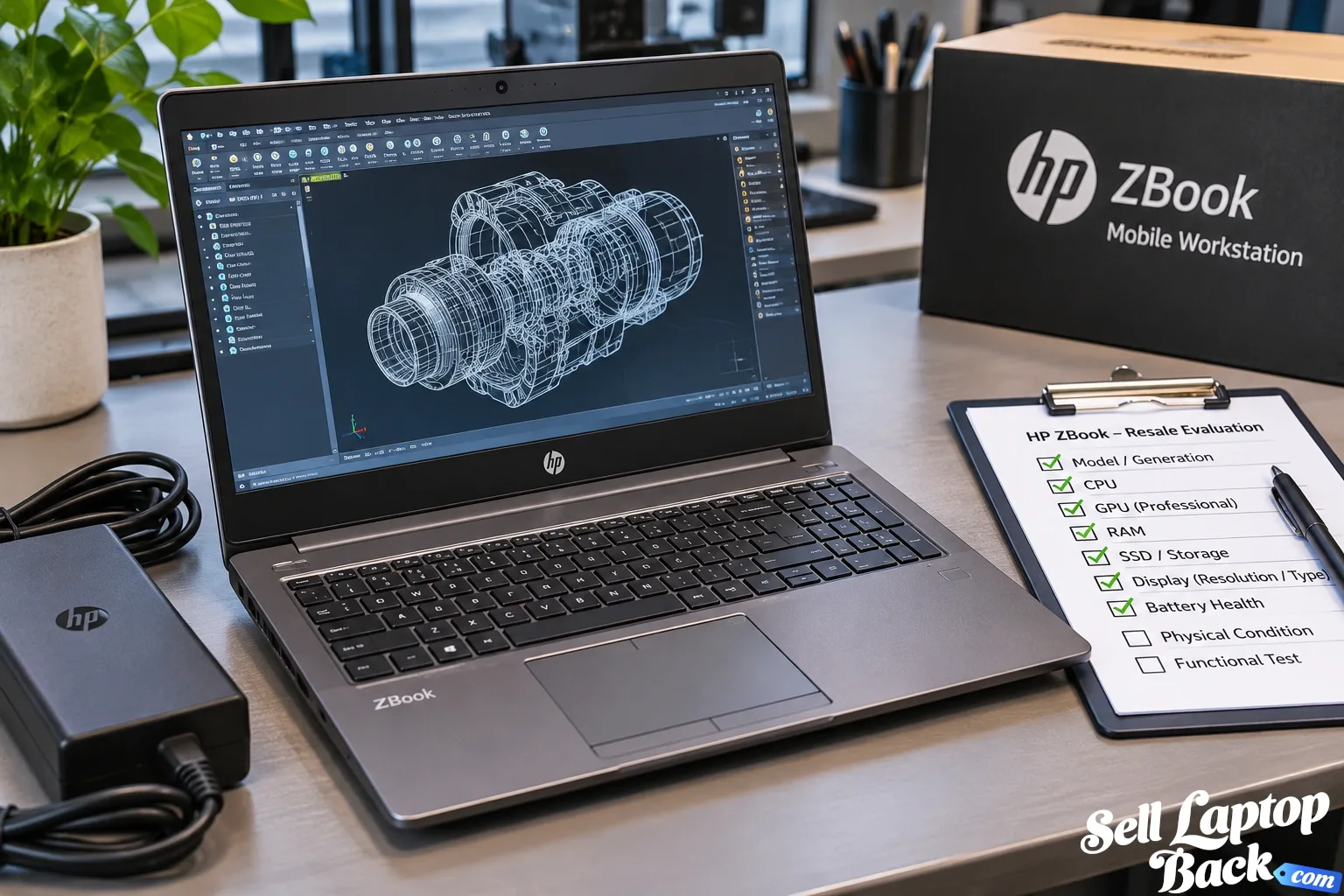
- HP ZBook value
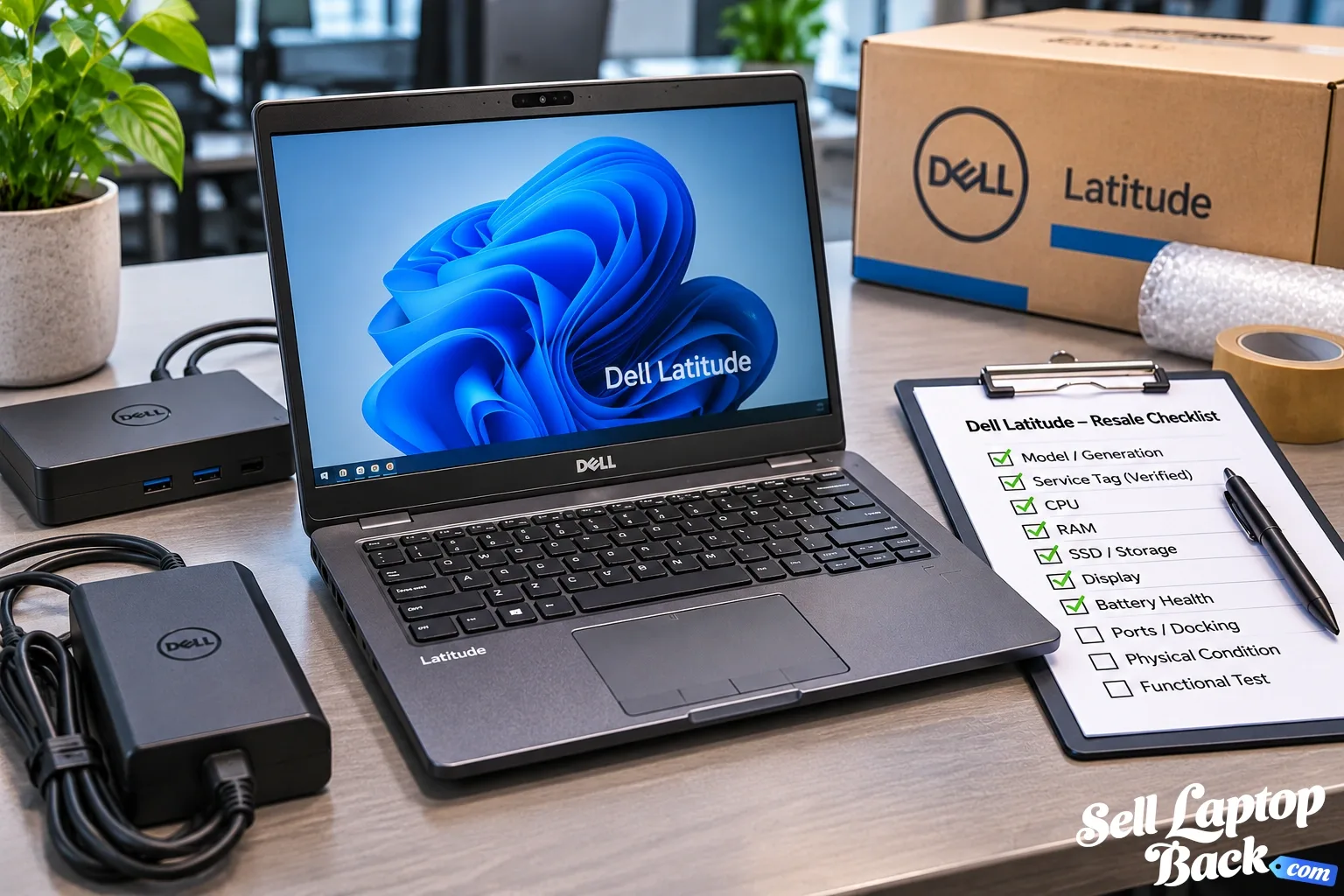
- Dell Latitude value
Those pages explain the model-specific factors that can affect resale value.
Should You Upgrade a Laptop Before Selling It?
Usually not if the only purpose of the upgrade is resale.
Adding RAM or replacing an SSD can improve a laptop, but that doesn't guarantee the selling price will increase by more than the upgrade costs.
If you already have compatible components available, the economics may be different.
Otherwise, check the current laptop value before buying parts.
Should You Replace a Bad Battery Before Selling?
Again, compare the cost first.
Battery wear is normal on used laptops. A replacement can improve usability, but spending money on a new battery immediately before selling doesn't necessarily increase the value by the same amount.
Describe the battery condition accurately rather than replacing it automatically.
If the battery is swollen or physically damaged, however, that is a safety issue and requires appropriate handling.
Do You Need the Laptop Charger?
A compatible working charger is useful and can affect the value of some laptops, particularly systems requiring proprietary or high-wattage adapters.
But don't assume you should purchase a replacement charger before selling.
Check what the laptop is worth with and without the accessory first.
How to Identify Your Used Laptop
Before comparing prices, make sure you're comparing the correct computer.
Look for model information:
- On the bottom of the laptop
- On a manufacturer label
- In BIOS or UEFI
- In operating-system information
- Through manufacturer support software
Model families can span many generations, so “HP Pavilion,” “Dell Latitude” or “Lenovo ThinkPad” alone isn't enough for an accurate value.
Prepare Your Laptop Before Selling It
Once you've decided to sell, protect your data first.
- Back up files you want to keep.
- Sign out of important accounts.
- Remove or deactivate device-specific account locks when applicable.
- Follow the appropriate reset or data-removal procedure.
- Remove personal accessories such as SD cards or USB receivers that aren't part of the sale.
If the computer doesn't work and you're concerned about information stored on a removable SSD or hard drive, determine whether you want to remove the drive. Remember that missing storage can affect the computer's value.
Pack the Laptop Properly
Good packaging protects both the computer and the transaction.
Use a sturdy box and enough cushioning to prevent movement. If a charger is included, keep the power brick from striking the laptop during transit.
Our laptop packing and shipping guide covers the process in more detail.
What If the Laptop Has No Cash Value?
Not every computer will retain meaningful resale value forever.
Very old entry-level systems or severely damaged computers can reach the point where repair, processing and shipping cost more than the usable hardware is worth.
When that happens, responsible reuse or recycling becomes more appropriate.
The U.S. Environmental Protection Agency provides information about electronics donation and recycling.
Selling a Used Laptop Can Extend Its Useful Life
There is another reason to consider resale before recycling.
If a laptop still works and another person can use it, extending the useful life of the complete computer can delay its entry into the waste stream.
Machines that aren't suitable for complete reuse may still provide components for repair or refurbishment.
Recycling remains important at the actual end of a device's usable life, but it doesn't have to be the first destination for every older computer.
Don't Let a Usable Laptop Lose Value in a Closet
One of the easiest ways to lose the remaining value of a used laptop is simply to forget about it.
Computer hardware continues aging even when you're not using it. New generations enter the market, software requirements change and batteries continue to age.
If you've already upgraded and know you won't need the previous laptop again, checking its current value sooner rather than years later can make sense.
How to Get Money for Your Used Laptop
You don't need seven unrelated side hustles or a complicated “easy money” strategy.
If you already own a laptop you no longer need, you already own an asset that may have resale value.
Start by identifying:
- The exact laptop model
- Its important specifications
- Its current condition
Then compare your options based on what matters to you: maximum possible selling price, convenience, speed or simplicity.
If you want to see what SellLaptopBack currently offers, find your laptop in our catalog or start from the SellLaptopBack homepage.
Frequently Asked Questions
Can I get money for a used laptop?
What is the easiest way to sell a used laptop?
Is it better to sell a laptop myself or use a buyback company?
Can I get money for an old laptop?
Can I sell a used laptop if it is broken?
Should I upgrade my used laptop before selling it?
Should I sell or recycle my used laptop?
How do I find out what my used laptop is worth?
Final Thoughts
Getting money for a used laptop doesn't need to involve a complicated scheme. The computer you no longer use may already have value that can be recovered.
The important part is choosing the selling method that matches your priorities.
If you enjoy selling online and want control over the transaction, a marketplace may make sense. If convenience matters more, a direct laptop buyback can eliminate much of the listing and buyer-management work.
And if the computer has finally reached the end of its useful life, responsible electronics recycling is better than leaving it forgotten or placing it in household trash.
Find your used laptop and check its current options, learn about selling an old laptop for cash, or see how to get money for a broken laptop.