On this page
- Dell XPS 13 vs XPS 15: Quick Comparison
- Dell XPS 13 vs XPS 15: What's the Main Difference?
- The Generations Matter More Than the Name
- XPS 13 vs XPS 15 Performance
- Graphics: One of the Traditional XPS 15 Advantages
- Display Size: 13 Inches vs 15 Inches
- InfinityEdge Displays and the XPS Design
- Dell XPS 13 vs XPS 15 Portability
- Which Is Better for Travel?
- Ports and Connectivity
- RAM and Storage
- Battery Life and Battery Condition
- Audio
- Build Quality
- Original Price vs Used Value
- Is an Older Dell XPS 13 Still Worth Buying?
- Is an Older Dell XPS 15 Still Worth Buying?
- XPS 13 vs XPS 15 for Students
- XPS 13 vs XPS 15 for Photo and Video Editing
- XPS 13 vs XPS 15 for Everyday Work
- What If You Already Own an XPS 13 or XPS 15?
- How Much Is My Dell XPS Worth?
- Dell XPS 13 vs XPS 15: Which Should You Choose?
- Frequently Asked Questions About Dell XPS 13 vs XPS 15
- Final Thoughts
Updated: November 11, 2026 | By: SellLaptopBack.com | Read time: 14 min read
The Dell XPS 13 and XPS 15 were two of Dell's best-known premium Windows laptops for years, but they were designed for different kinds of users. The XPS 13 emphasized portability, while the larger XPS 15 provided more room for higher-performance processors, dedicated graphics and larger displays.
If you're comparing these laptops on the used market today, there is another important consideration: the generation matters just as much as the size. Dell produced numerous XPS 13 and XPS 15 configurations over the years, so specifications can differ dramatically between two laptops carrying the same XPS name.
This comparison originally covered the XPS 13 9343/9350 generation and an XPS 15 configuration from the same era. We've updated it to preserve that useful hands-on comparison while explaining what buyers and sellers should consider today.
If you already own one and are interested in resale rather than comparison shopping, see our Dell XPS value guide or check your Dell laptop model.
Dell XPS 13 vs XPS 15: Quick Comparison
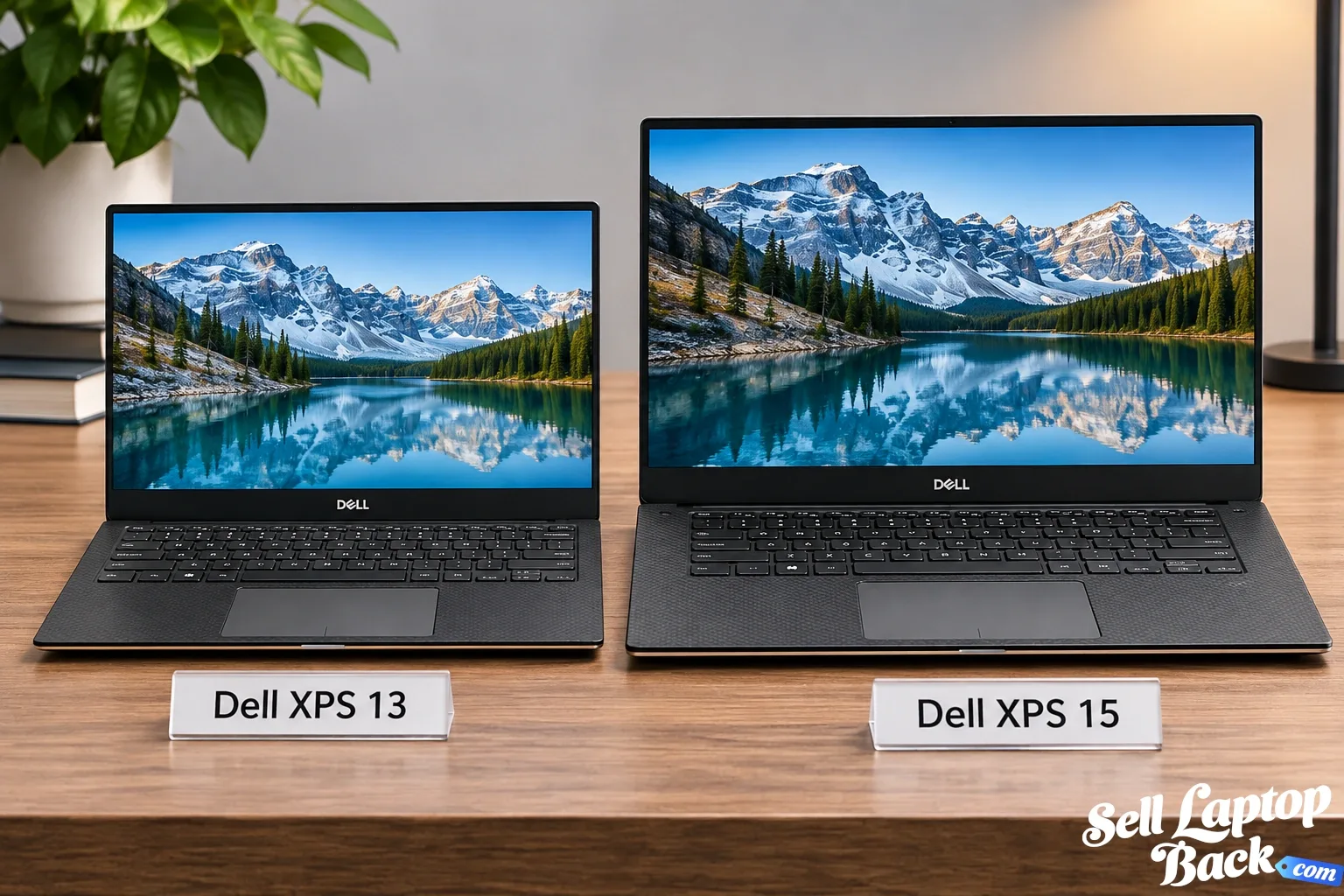
If you're choosing between a used Dell XPS 13 and XPS 15, the basic decision is simple: choose the XPS 13 for portability and the XPS 15 for a larger display and higher-performance hardware. The exact generation and configuration still matter more than the model name alone.
| Feature | Dell XPS 13 | Dell XPS 15 |
|---|---|---|
| Best for | Travel and everyday productivity | Creative and demanding workloads |
| Portability | Better | Larger and heavier |
| Display | Smaller, easier to carry | Larger working area |
| Performance | Strong everyday performance | Generally higher performance potential |
| Dedicated graphics | Less common | Available on many generations |
| Video/photo editing | Good for lighter workloads | Usually the better choice |
| Travel | Winner | Better when performance matters more than weight |
| Used value | Depends heavily on generation, CPU, GPU, RAM, SSD, display, battery and condition | |
Dell XPS 13 vs XPS 15: What's the Main Difference?
The simplest distinction is still the most useful:
- XPS 13: smaller, lighter and easier to carry.
- XPS 15: larger and generally better suited to demanding workloads.
That sounds obvious, but chassis size affects much more than screen dimensions. A larger laptop provides more physical room for cooling, batteries, ports and, depending on generation, dedicated graphics and higher-performance processors.
The XPS 13 therefore became popular with people who wanted premium construction and useful performance in a highly portable machine. The XPS 15 appealed more to creators, developers, engineers and other users willing to carry additional weight for additional capability.
The Generations Matter More Than the Name
One of the biggest mistakes when comparing used XPS laptops is looking only at “XPS 13” or “XPS 15.”
These product families existed across many processor generations and hardware configurations. An XPS 13 manufactured years after another XPS 13 can be a fundamentally different computer.
Before comparing two used XPS laptops, identify:
- Exact model
- Processor model and generation
- RAM capacity
- SSD capacity
- Graphics hardware
- Display resolution and type
- Battery condition
- Physical condition
For resale purposes, those specifications also explain why two visually similar XPS laptops can have very different values.
XPS 13 vs XPS 15 Performance
Performance has historically been one of the biggest reasons to choose the larger XPS.
The XPS 13 was designed around portability and everyday professional productivity. The XPS 15 had more room for higher-performance hardware and, in many configurations, dedicated graphics.
For ordinary tasks such as web browsing, office applications, email and light photo editing, either family can perform well when comparing appropriate generations.
The difference becomes more noticeable with demanding workloads such as:
- Video editing
- 3D applications
- CAD workloads
- Software development
- Large creative projects
- GPU-accelerated applications
- Gaming on configurations with dedicated graphics
However, don't assume every XPS 15 automatically outperforms every XPS 13. A much newer XPS 13 can outperform an older XPS 15 in many tasks simply because processor technology has advanced.
Graphics: One of the Traditional XPS 15 Advantages
Our original comparison illustrated this difference clearly.
The XPS 13 configuration we tested used Intel HD Graphics 5500, while the larger XPS 15 used an NVIDIA GeForce GTX 960M.
That gave the XPS 15 a major advantage for the graphics-intensive workloads of its era, particularly video editing and other accelerated applications.
This general distinction continued through many later generations: XPS 13 systems typically prioritized integrated graphics and portability, while numerous XPS 15 configurations offered dedicated NVIDIA graphics.
For a used laptop, always identify the exact GPU. “Dell XPS 15” by itself does not tell you which graphics hardware is installed.
Display Size: 13 Inches vs 15 Inches
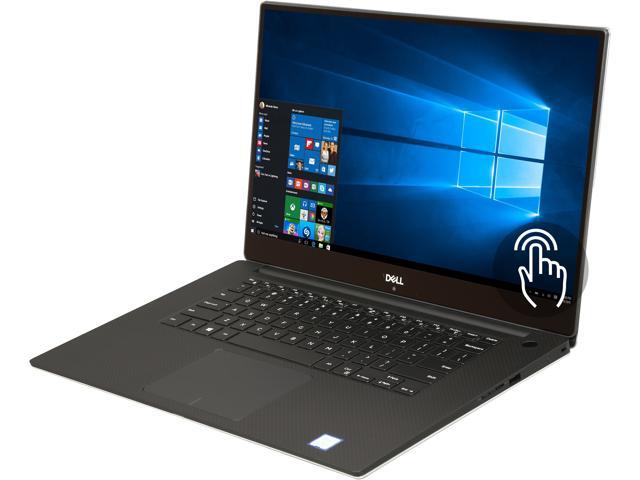
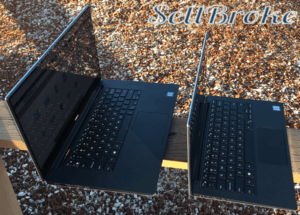
The XPS 13's smaller display contributes directly to its portability. The XPS 15 gives you substantially more physical working space.
Our original machines illustrated the variety within these product lines:
- XPS 13 – 13.3-inch 1080p non-touch display
- XPS 13 9350 – touch-screen configuration also tested
- XPS 15 – 15.6-inch 4K touch display
Those specifications should not be treated as universal. Dell sold different resolutions, touch options and panel configurations across different XPS generations.
For productivity on the road, the smaller screen can be a worthwhile compromise. For photo editing, video timelines, development environments and side-by-side windows, the larger display can be much more comfortable.
InfinityEdge Displays and the XPS Design
One of the features that helped distinguish the XPS line was Dell's thin-bezel display design, marketed as InfinityEdge.
Reducing the bezel allowed Dell to fit relatively large displays into smaller chassis footprints. This was particularly noticeable on the XPS 13, which felt smaller than many competing 13-inch laptops from the same era.
The design concept also helped the XPS 15 provide a large display without making the chassis unnecessarily large.
Display specifications changed substantially over later generations, so when buying used, compare the exact panel rather than assuming every XPS has the same resolution, brightness, touch capability or display technology.
Dell XPS 13 vs XPS 15 Portability
The XPS 13 wins this category.
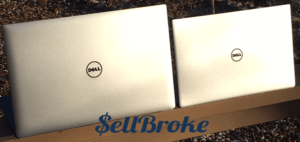
The smaller machine is easier to carry between home, school, work, meetings and airports. If your laptop spends significant time in a backpack, the difference in physical size and weight can matter every day.
The XPS 15 is still portable compared with a desktop-replacement workstation, but its larger chassis and display make it noticeably less convenient to carry.
Our original XPS 15 also felt particularly substantial because of its solid construction.
That extra size becomes worthwhile when you actually use the performance or display advantages. If most of your work consists of browser tabs, documents, email and remote applications, carrying a larger machine may provide little practical benefit.
Which Is Better for Travel?
For frequent travel, the XPS 13 is usually the more convenient format.
Consider more than the laptop itself. Your travel setup may also include:
- Power adapter
- USB-C hub or dock
- External storage
- Mouse
- Headphones
- Other accessories
A small difference in laptop weight becomes more noticeable when combined with everything else in your bag.
If the computer mostly stays on a desk and only moves occasionally, the larger display of the XPS 15 can be the better tradeoff.
Ports and Connectivity
Port selection is one area where you need to be especially careful when comparing generations.
Our older test machines included combinations of USB, USB-C/Thunderbolt, audio, SD-card and video connectivity, with differences between the XPS 13 and XPS 15.
But Dell changed port layouts substantially across the lifespan of these product families.
Instead of assuming an XPS has a particular connector, check the specifications or physically inspect the exact laptop you intend to buy.
Think about whether you regularly need:
- USB-A
- USB-C
- Thunderbolt
- HDMI
- SD or microSD card access
- Headphone connection
- Docking support
Adapters can solve many connectivity problems, but carrying adapters also reduces some of the convenience of an ultraportable laptop.
RAM and Storage
Our original comparison involved very different configurations:
- XPS 13 – 8GB RAM and 128GB SSD
- XPS 15 – 16GB RAM and 512GB SSD
Those differences contributed significantly to the experience of using the machines, but they were configurations rather than universal specifications.
When shopping for a used XPS today, RAM deserves particular attention because upgradeability varies between models and generations.
Do not buy a low-memory configuration assuming that you can simply add more RAM later. Verify the exact model first.
SSD capacity also affects usability, but storage can sometimes be easier to address than insufficient non-upgradeable memory.
Battery Life and Battery Condition
When these laptops were new, battery-life comparisons depended heavily on configuration. High-resolution touch displays and more powerful hardware can consume more energy than simpler configurations.
When buying an older XPS today, however, battery condition may matter more than the original battery-life benchmark.
Lithium-ion batteries degrade with age and use. Two identical used laptops can therefore have very different runtimes.
Check for:
- Rapid battery drain
- Unexpected shutdowns
- Failure to charge normally
- Battery-health warnings
- Physical swelling
A worn battery doesn't necessarily make an XPS a bad purchase, but replacement cost should be included in the price comparison.
Audio
In our original comparison, speaker placement differed between the two machines. The XPS 13 had speakers positioned differently from the larger XPS 15, whose speaker arrangement could become somewhat harsh at maximum volume.
For occasional video calls, streaming and general use, either was adequate for its time.
For serious music, video editing or entertainment, headphones or external speakers remain a better solution than choosing between laptops based primarily on built-in speaker output.
Build Quality
Build quality was one of the major reasons the XPS line developed such a strong reputation.
The machines we originally tested combined metal exterior surfaces with carbon-fiber-style interior construction, giving them a distinctly premium feel compared with many mainstream laptops of the period.
When buying used, however, premium materials do not eliminate wear.
Inspect:
- Hinges
- Palm rest
- Keyboard
- Touchpad
- USB and charging ports
- Display bezel
- Bottom cover
- Rubber feet
Also check for battery swelling, because an expanding battery can affect the touchpad or chassis.
Original Price vs Used Value
The price difference was substantial when we originally compared these machines.
The XPS 13 9343 configuration we discussed sold for roughly $980 when new, while the higher-specification XPS 15 we tested was around $1,900, with some configurations costing considerably more.
Those historical prices are useful context, but they should not be used to estimate what either laptop is worth today.
Laptop resale value changes with:
- Age
- Processor generation
- GPU
- RAM
- SSD capacity
- Display configuration
- Battery health
- Physical condition
- Current demand
If you're trying to value a machine you already own, use our dedicated guide to Dell XPS resale value rather than comparing the original retail prices.
Is an Older Dell XPS 13 Still Worth Buying?
It can be, depending on the generation, condition and price.
An older XPS 13 can still make sense for web browsing, office applications, schoolwork, remote access and other everyday tasks when its hardware remains appropriate for your software.
Its compact chassis is also still useful for someone who values portability more than maximum performance.
The older the machine becomes, however, the more important battery health, software compatibility and repair costs become.
Is an Older Dell XPS 15 Still Worth Buying?
An older XPS 15 can be interesting when you need a larger display or a configuration with dedicated graphics but don't want to pay for a newer premium laptop.
Again, the exact configuration matters enormously.
A well-equipped XPS 15 with sufficient RAM, SSD storage and a healthy battery is a very different purchase from an entry-level or damaged configuration from the same generation.
Also remember that an older dedicated GPU should be judged against modern requirements rather than against integrated graphics from its original era.
XPS 13 vs XPS 15 for Students
For students who carry a laptop around campus every day, the XPS 13 has an obvious portability advantage.
The XPS 15 becomes more attractive for workloads involving video production, engineering, CAD, development or other applications that benefit from a larger display and higher-performance hardware.
For basic research, writing, browser applications and online classes, a larger and heavier laptop may not provide enough benefit to justify carrying it.
XPS 13 vs XPS 15 for Photo and Video Editing
This was one of the clearest advantages of the XPS 15 in our original comparison.
The larger display provided more working area, while the dedicated NVIDIA graphics in our test configuration offered substantially more graphics capability than the integrated graphics in the XPS 13.
The same decision principle still applies when comparing used machines, although the hardware has changed:
Compare the actual CPU, GPU, RAM and display rather than assuming the larger model automatically wins.
XPS 13 vs XPS 15 for Everyday Work
For email, office applications, web browsing, video calls and general productivity, the XPS 13 format is often enough.
This is important because buying more performance than you need can mean paying more and carrying a heavier computer without improving your everyday experience.
The XPS 15 makes more sense when your workload actually benefits from its additional capabilities.
What If You Already Own an XPS 13 or XPS 15?
If you're reading this comparison because you're deciding whether to upgrade, first identify what your existing laptop is actually failing to do.
A slow machine may need more storage space, a clean operating-system installation, battery replacement or another repair rather than complete replacement.
On the other hand, if your workload has changed substantially — for example, you've moved from basic productivity into video editing, 3D work or other demanding applications — newer hardware may provide a meaningful improvement.
If you're replacing the computer, don't leave the old one sitting unused until its value disappears. You can find your Dell laptop and see whether it currently qualifies for an offer.
How Much Is My Dell XPS Worth?
The resale value of an XPS depends much more on its exact configuration than whether it has a 13-inch or 15-inch display.
Before checking the value, identify:
- Exact XPS model
- CPU
- GPU
- RAM
- SSD capacity
- Display type
- Battery condition
- Physical condition
We've separated that subject into its own guide so this page can remain focused on the actual XPS 13 vs XPS 15 comparison.
Read: How Much Is My Dell XPS Worth?
Dell XPS 13 vs XPS 15: Which Should You Choose?
Choose the XPS 13 when portability is the priority. It's the better format for frequent travel, commuting, school and everyday productivity when you don't need dedicated high-performance graphics.
Choose the XPS 15 when you value a larger display and need the additional performance available in higher-end configurations, particularly for creative or technical workloads.
For used machines, though, there is one rule more important than either recommendation:
Buy the configuration, not just the XPS name.
A newer, well-configured XPS 13 may be a much better computer than an older XPS 15, while a powerful XPS 15 configuration can be dramatically more capable than an XPS 13 from the same generation.
Frequently Asked Questions About Dell XPS 13 vs XPS 15
Is the Dell XPS 13 or XPS 15 better?
Is the Dell XPS 15 more powerful than the XPS 13?
Is the Dell XPS 13 better for travel?
Which is better for video editing, XPS 13 or XPS 15?
Can you upgrade the RAM in a Dell XPS?
Are old Dell XPS laptops still worth buying?
How much is my used Dell XPS worth?
Final Thoughts
The original XPS 13 vs XPS 15 decision was straightforward: portability versus additional screen space and performance. That distinction still explains why these two families appealed to different users.
What's changed is the age of the machines. When buying or selling an XPS today, the model generation and configuration matter far more than the number printed after “XPS.”
If you're shopping used, compare the CPU, GPU, RAM, SSD, display and battery condition. If you're replacing an XPS you already own, check its current value before putting it in a drawer and forgetting about it.
Learn what affects Dell XPS resale value or find your Dell laptop to check the current options for your model.